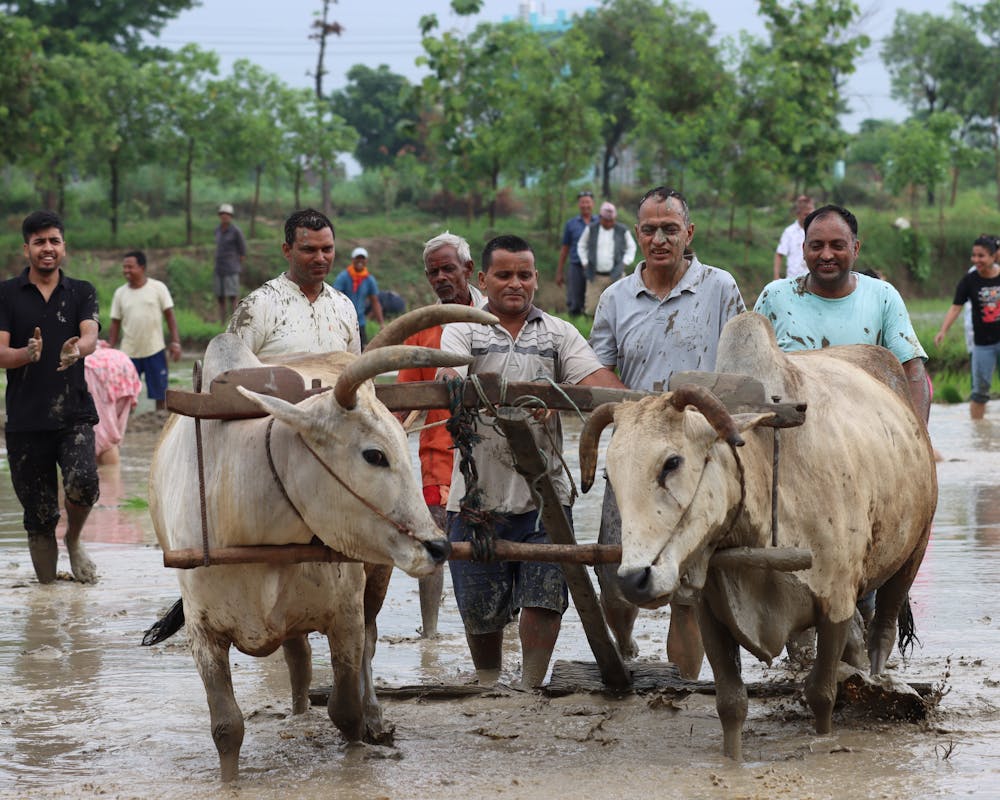

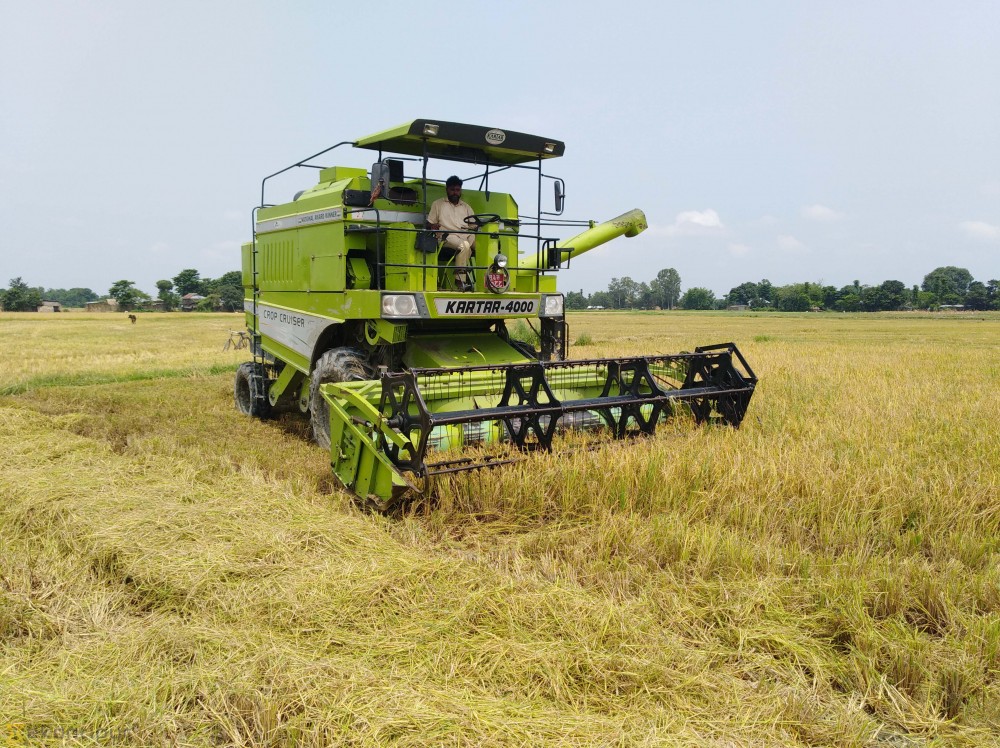
Nepal’s agriculture and livestock sector forms the backbone of the nation’s economy, supporting millions of farmers and agribusinesses. The Nepal Agriculture & Livestock Business Association (NALBA) is at the forefront of empowering the farming community and promoting sustainable growth.
Driving Agricultural Innovation in Nepal
NALBA actively promotes agricultural innovation in Nepal through research, training, and collaboration with both government and private sector partners. By introducing modern farming techniques, precision livestock management, and advanced poultry practices, NALBA ensures that Nepalese farmers are competitive in the global market.
Supporting Agri-Business and the Farming Community
Through programs aimed at agri-business support in Nepal, NALBA strengthens the entire supply chain—from farm to market. The association connects farmers with resources, funding, and knowledge-sharing platforms, creating a robust Nepal agribusiness network. This helps smallholder farmers increase productivity, reduce waste, and access national and international markets.
Sustainable Farming Practices
Sustainability is central to NALBA’s mission. By promoting sustainable farming in Nepal, NALBA ensures environmental protection while boosting farm profitability. Techniques include organic farming, integrated pest management, soil conservation, and responsible water usage—all tailored for local farming conditions.
Advancing the Poultry and Livestock Industry
NALBA also plays a critical role in developing the poultry industry in Nepal and supporting livestock farmers with veterinary programs, health awareness, and supply chain management. The association collaborates with experts to enhance livestock productivity and strengthen the economic impact of Nepal’s livestock sector.
Building a Stronger Agricultural Future
Through advocacy, training, and networking, NALBA represents a unified voice for the Nepal farming community and contributes significantly to agricultural development in Nepal. The association’s work ensures that farmers, entrepreneurs, and agribusinesses thrive while maintaining ethical and sustainable practices.